
There’s a specific kind of panic that hits around 2 a.m. Your baby’s fussing at the breast, and your brain jumps straight to “what if I don’t have enough.” Sound familiar?
If that’s you right now, breathe. Seriously, just breathe for a second. You’re not doing anything wrong, and this worry is way more common than anyone talks about out loud.
Half the moms in your group chat have Googled this exact thing at 2 a.m. too, they just never mention it.
So here’s what I’ve got for you. 21 genuinely helpful, widely-used strategies for supporting your milk supply, the kind lactation consultants actually recommend, not some random tip a stranger promise by in a Facebook comment section.
Some of these are habits. Some are products that make the habits way easier to actually stick with. And a few, honestly, are just permission to rest and ask for help, because that matters just as much as anything on this list.
No overhaul required here. Just pick a thing, try it, see how it goes.
A quick note before we dive in:
every body and every baby is different, And sometimes a supply issue points to something that genuinely needs a professional set of eyes, like a tongue tie, or a positioning problem that no amount of tea is going to fix.
If you’ve tried the basics and you’re still worried, please reach out to a lactation consultant or your doctor. This list is here to support you. It’s not a replacement for that. There’s zero shame in needing more than a list can give you.
21 Tips for Increasing Breast Milk Supply
1. Nurse or Pump on Demand, Not on a Schedule.

Breast feeding is supply and demand. Your body makes milk based on how often it’s removed.
Simple as that. More frequent nursing or pumping genuinely signals your body to make more.
Watch for early hunger cues instead of waiting for the clock, rooting, hands to mouth, smacking lips.
Crying’s actually a late sign, you’ve usually already missed the window by then.
If you only take one thing from this whole list, let it be this one.
Everything else on here is basically a supporting act to this main idea, so if you’re overwhelmed, start and stop right here.
2. Get a Deep, Effective Latch.

A shallow latch means your baby isn’t removing milk efficiently, no matter how long that feeding session drags on.
It can hurt too, genuinely hurt, not just “a little tender.”
If nursing consistently hurts, or your baby seems to be working hard without much actual swallowing, get a latch check.
I know, one more appointment. But fixing this early often solves supply worries without needing anything else on this list at all.
It’s not glamorous advice, I know. It’s just usually the actual root of the problem.
3. Try Power Pumping.
Basically mimics cluster feeding. Pump 20 minutes, rest 10, pump 10, rest 10, pump 10 more.
Do that once a day for about a week. It’s tedious, not gonna sugarcoat it.
But a lot of moms notice a real bump in output within days.
Try keeping it around the same time each day, your body seems to like the predictability more than the exact numbers.
Some weeks it’ll feel like it’s doing nothing at all, and then day four hits and suddenly there’s a difference.
4. Stay Genuinely Hydrated.

Breast milk is mostly water, so dehydration can drag output down.
That said, chugging way past thirst doesn’t magically boost supply further, so don’t overdo it either.
Keep a big water bottle nearby during feeds. You will forget otherwise, everyone does once a session actually starts.
One with time markers on the side helps you catch it before you’re already behind by 3 p.m., which, if you’ve ever looked down at 6 p.m. and realized you’ve had two sips all day, you already know how easily that happens.
5. Eat Enough Calories. Not Fewer.
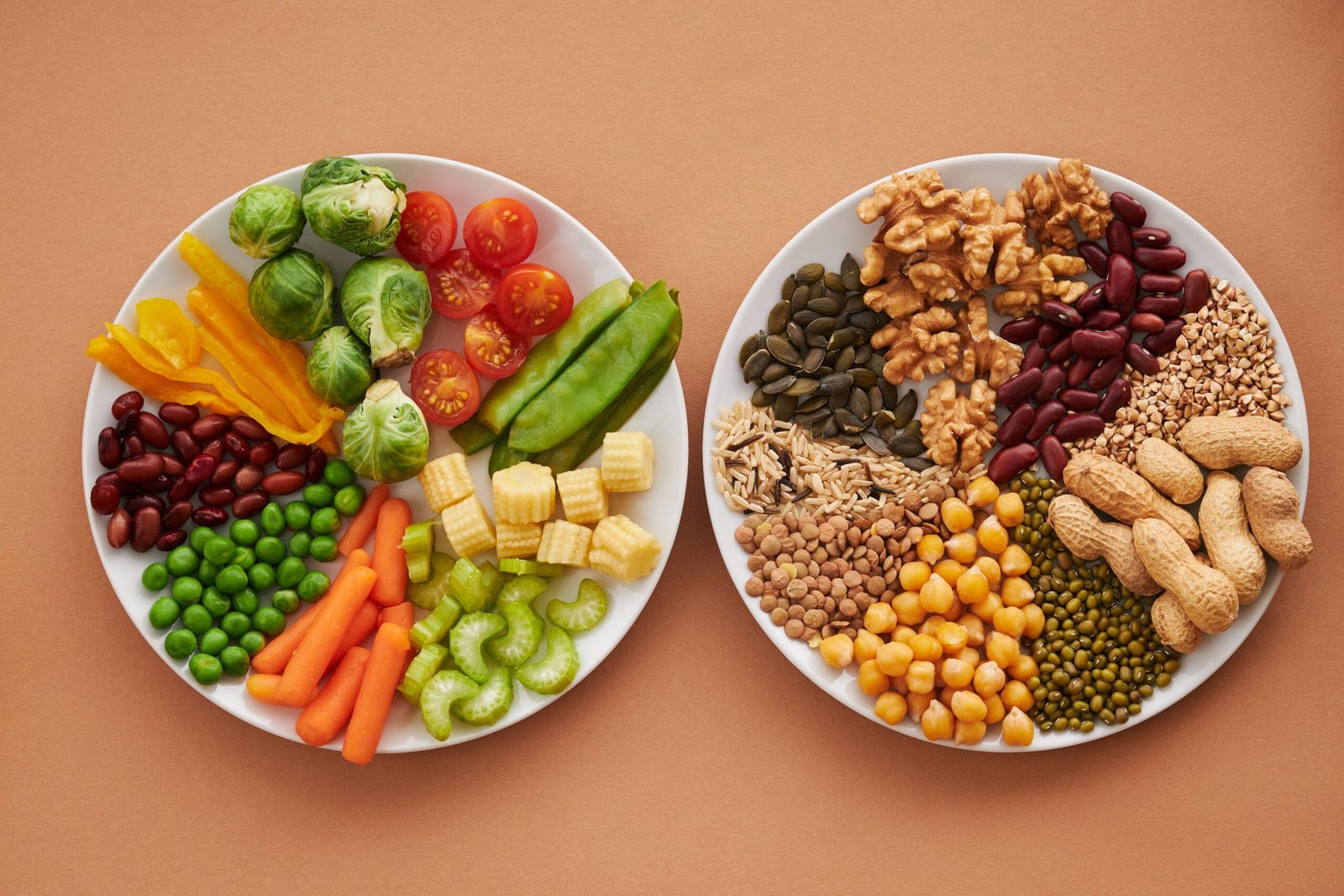
Breastfeeding burns a lot of extra calories a day. Cutting them too early can actually work against your supply instead of helping you shed weight faster.
I get the urge, believe me. But this isn’t the season for it. Your body needs fuel to make milk before it can worry about anything else you’re asking of it.
Think of this season as maintenance mode, not a diet phase, the weight conversation can wait a little longer than it feels like it should.
6. Add Lactogenic Foods Into Meals You’re Already Making.

Oats, flaxseed, leafy greens, all commonly linked to supply support. Doesn’t need to be complicated.
A bowl of oatmeal with flaxseed stirred in takes two minutes and fits right into a morning that’s already chaotic enough.
No need for a whole meal plan overhaul, just small additions stacked on top of what you’re already eating. Actually it worked for me.
Here’s a list of foods commonly associated with supporting milk supply (often called “galactagogue foods”):
Whole Grains
- Oats (oatmeal, overnight oats, granola)
- Brown rice
- Barley
Seeds
- Flaxseed (ground, for easier absorption)
- Sesame seeds
- Chia seeds
- Fenugreek seeds
Leafy Greens & Vegetables
- Spinach
- Kale
- Fenugreek leaves (methi)
- Carrots
- Sweet potatoes
Legumes
- Chickpeas
- Lentils
- Beans (black beans, kidney beans)
Nuts
- Almonds
- Cashews
- Walnuts
Herbs & Spices
- Fennel seeds
- Garlic
- Ginger
- Turmeric
Other Common Picks
- Brewer’s yeast (the key ingredient in most lactation cookies)
- Salmon and other fatty fish (omega-3s)
- Eggs
- Greek yogurt
- Whole milk or fortified plant milk
- Papaya (especially green/unripe papaya, common in South and Southeast Asian traditions)
- Dates.
A quick honest note: the science behind most of these is more “widely believed and traditionally used” than “clinically proven with strong evidence.”
A few, like fenugreek, have more research behind them, but individual results vary a lot.
Eating a generally well-rounded, calorie-sufficient diet tends to matter more overall than any single “superfood” on this list.
7. Try Lactation Cookies.

Baked with oats, brewer’s yeast, flaxseed, the usual supply-support ingredients, except now it’s a cookie instead of a chore.
Honestly? Sometimes that’s the whole trick. A full meal feels impossible some days. A cookie doesn’t.
Keep a batch in the freezer if you can, future exhausted you will genuinely thank present you.
8. Drink a Lactation Tea Blend.
Usually fenugreek, fennel, blessed thistle, that kind of mix.
A lot of moms like the ritual of it almost as much as the ingredients, a warm cup during a quiet evening feed.
Just check with your doctor first, especially if you’re on other medications.
Herbal doesn’t automatically mean risk-free, even though it sounds like it should.
That’s not me trying to scare you off it, just a reminder that “natural” and “safe for everyone” aren’t always the same thing.
9. Practice Skin-to-Skin Contact.

Not just during feeds either. Holding your baby skin-to-skin can help trigger the hormone responses tied to milk production and let down, particularly early on while supply is still finding its rhythm.
And honestly, it’s just calming. For both of you.
That counts for something when everyone’s running on fumes, and it costs absolutely nothing, which is a rare thing on a list like this.
10. Fully Empty the Breast Each Session.
Leftover milk tells your body “less demand needed,” not “session complete.”
So if your baby stops feeding but you still feel full, finish with a quick pump.
Soft, emptied-out feeling afterward? Good sign.
That’s the goal, even if it takes a session or two of finishing with a pump before you actually get there consistently.
11. Offer Both Breasts at Every Feeding.
Switch sides mid-feed, or nurse both every session, either way, more stimulation helps over time.
Babies often favor one side, which is normal, but gently encouraging both keeps one from quietly falling behind the other over the weeks.
Starting feeds on the less-preferred side first, while your baby’s still hungriest, tends to help too.
12. Prioritize Rest However You Can Get It.

Exhaustion messes with hormone regulation, and hormones drive milk production.
Sleep when the baby sleeps really is a cliché, but it’s a cliché because it’s true.
Even short naps add up more than they feel like they do in the moment.
Twenty minutes doesn’t sound like much until you’re the one who hasn’t had twenty consecutive minutes in three days.
13. Manage Stress Where You’re Able To.
Stress interferes with letdown specifically, even when supply itself is totally fine.
Which is annoying, because worrying about supply is stressful, so it becomes its own loop.
A few slow breaths before feeding, dimmer lights, whatever helps you settle, actually makes a real difference here. Feels silly to try. Works anyway.
Some moms swear by a specific playlist or a particular chair, whatever creates the association, your body seems to learn it fast.
14. Use a Hands-Free Pumping Bra.
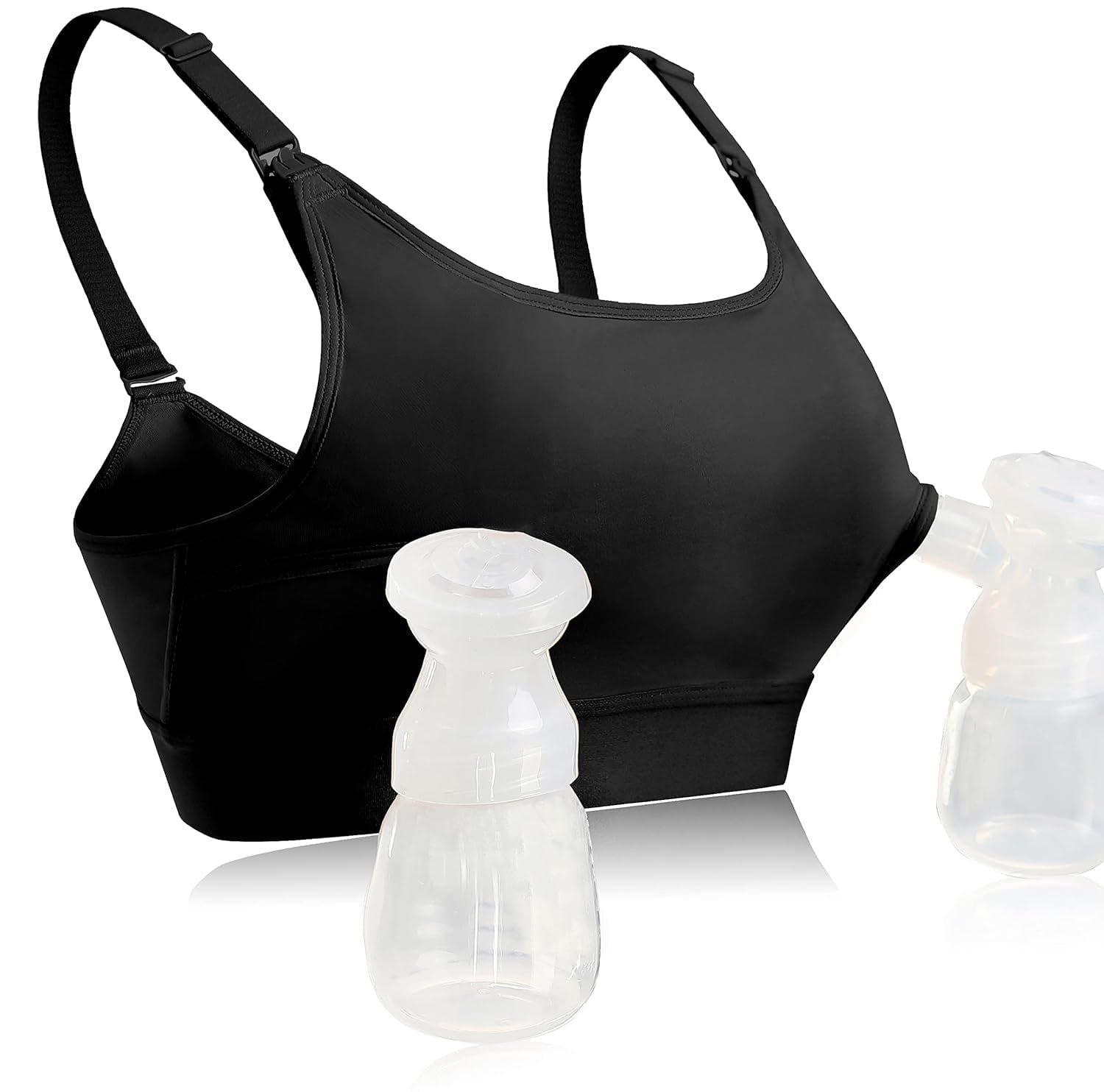
Frees up your hands for a book, your phone, your other kid, whatever.
Suddenly extra pumping sessions feel doable instead of one more thing to dread.
Power pumping in particular goes a lot faster when you’re not physically holding flanges in place the whole time, and honestly, being able to scroll your phone for twenty minutes feels like a tiny vacation some days.
15. Consider a Hospital-Grade or Double Electric Pump.
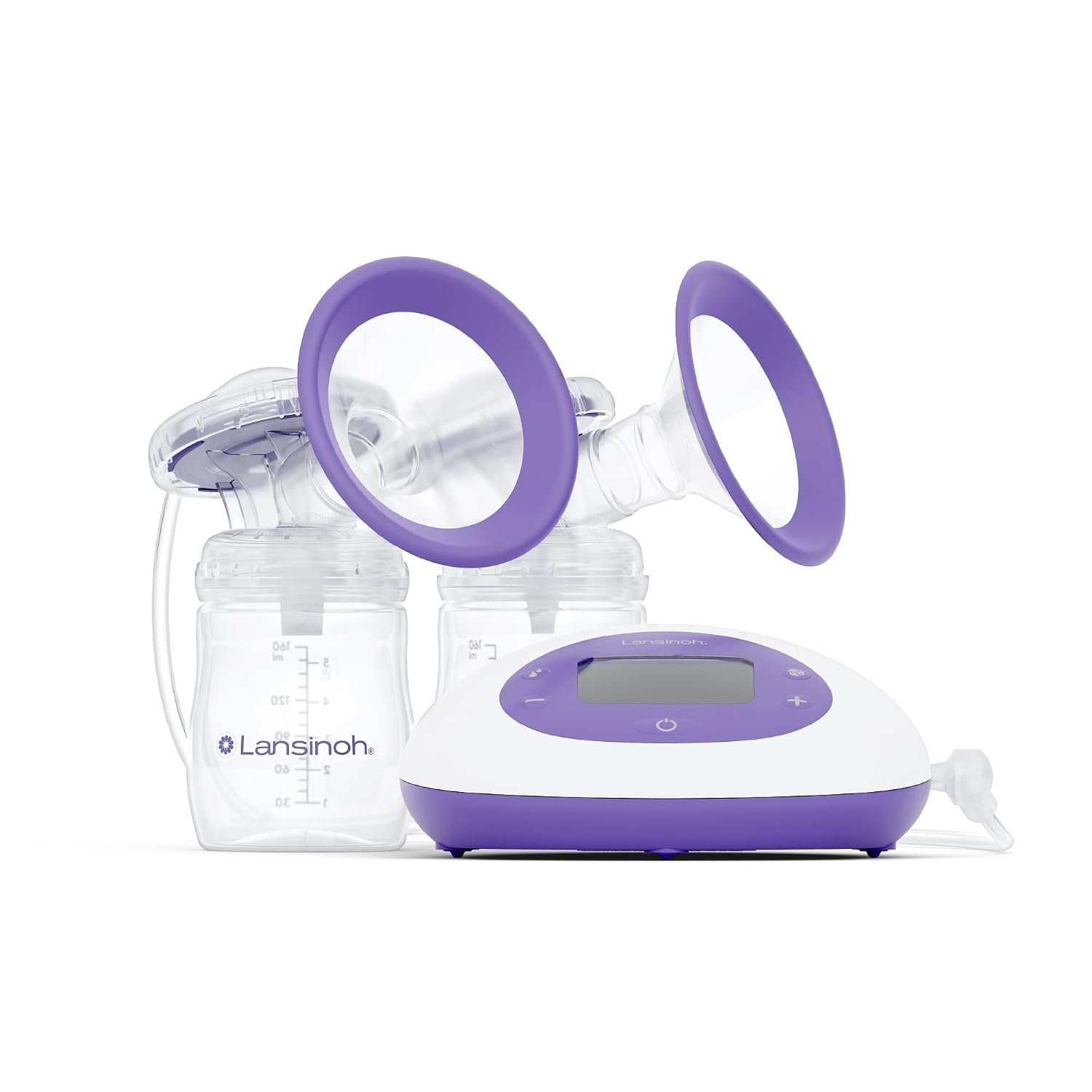
A stronger pump matters more if you’re supplementing nursing with regular pumping, especially heading back to work or building a freezer stash.
Double pumping removes milk more efficiently than single pumping does, plain and simple, without adding extra minutes to an already long day.
It’s an investment, no doubt about that, but a lot of moms say it was worth it within the first couple weeks.
Worth knowing too, most health insurance plans in the US are required to cover at least one breast pump per pregnancy under the ACA, and pumps are also typically FSA/HSA eligible, so it’s worth checking your benefits before you buy one outright.
16. Hold Off on Pacifiers and Bottles Early On.
In the first few weeks, heavy bottle or pacifier use can cut down time at the breast, meaning less signal for your body to read as demand.
Once nursing’s well established, usually a few weeks in, this stops mattering much.
Most families introduce a bottle from there with zero supply issues. It’s really just a first-few-weeks caution, not a rule you’re stuck with forever.
17. Try Breast Massage Before and During Feeds.
A minute or two, gentle pressure, especially on spots that feel firmer than the rest.
Encourages better flow, more complete draining. Also just kind of soothing, a small reset before diving into a feed that might run long.
Warm hands help too, run them under warm water first if you’ve got a second.
18. Track Feeds and Diaper Output.
A simple app beats guessing. It shows you real patterns, and gives you actual data to bring a lactation consultant if you need one down the line.
Wet and dirty diaper counts, honestly, are more reliable than how full your breasts feel on any given day, since breast fullness can vary wildly for reasons that have nothing to do with actual supply.
19. Use a Supportive Nursing Pillow.

Positioning affects latch. Latch affects how efficiently milk actually comes out.
A pillow that brings baby up to you, instead of you hunching down to them, makes longer sessions genuinely sustainable, especially through those marathon cluster-feeding evenings nobody warns you about enough.
Your shoulders and neck will notice the difference before you consciously do.
20. Ask About Galactagogues With Your Doctor.
Beyond food and tea, there are prescription and herbal options some doctors recommend for real supply struggles. Not a DIY situation though.
Dosing and interactions need an actual professional. This one’s about starting a conversation, not self-treating off something you read at midnight.
Bring your feeding log or tracking app data to that appointment, it helps the conversation move faster.
21. Know When to Call a Lactation Consultant.
If you’ve tried the basics and you’re still worried, that’s not failure.
That’s a sign it’s time for expert eyes on the actual situation instead of troubleshooting solo at 3 a.m.
A good consultant catches things like tongue ties or positioning problems that no amount of tea or cookies will ever fix alone.
Getting help early saves you weeks of second-guessing yourself, and most insurance plans actually cover at least a session or two, so it’s worth checking before assuming it’s out of reach.
Look, nobody expects you to do all 21 of these. That’s not the point. Pick two, maybe three, the ones that actually feel doable with the life you’re living right now, and give them a real week before deciding anything.
A fed baby and a mom who isn’t drowning in guilt, that’s the actual goal here, not some perfect number on a bottle. And if you’ve genuinely tried and something still feels off, call the lactation consultant. Call the pediatrician.
You don’t have to figure this out alone at 2 a.m. with a search bar as your only support system. Asking for help isn’t the backup plan, it’s just part of doing this well.